

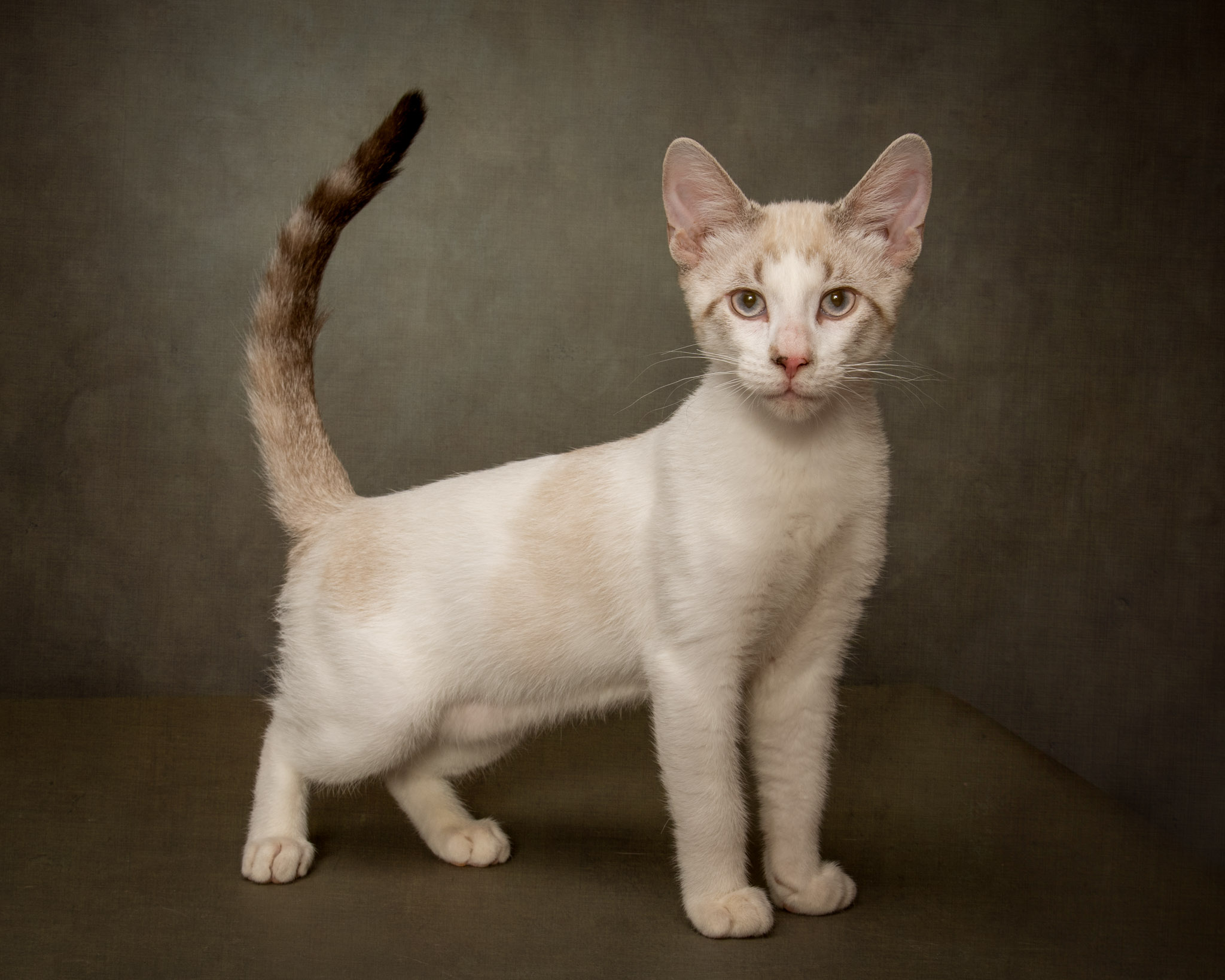
CAT PHOTOGRAPHY TIPS: 5 WAYS TO TAKE BETTER PHOTOS OF YOUR CAT
“Women and cats will do as they please, and men and dogs should relax and get used to the idea.”
I’ve always loved this quote by author Robert A. Heinlein. Anyone who has ever lived with a cat will understand why.
I’ve been photographing cats for most of my life, and I absolutely love it. However, cats aren’t always the most cooperative subjects to put in front of a camera.
They have their own ideas about how things should be done. And frankly, they see little reason to accommodate ours.
Meet Pebbles and Gilbert
When Pebbles and Gilbert arrived at my Perth photography studio one Friday, a thunderstorm was about to hit.
These two five-month-old kittens wasted no time exploring their new surroundings. There were interesting corners to investigate, unfamiliar smells to examine and absolutely no reason to sit still for a photograph.
My job was to help them relax, gain their trust and capture their wonderful personalities.
Luckily, I speak Cat.
Take a look at my short slideshow from their photography session. I’ve included a few bloopers because, as you’ll see, photographing kittens doesn’t always go according to plan!
My 5 Best Cat Photography Tips
Getting beautiful photographs of your cat doesn’t have to be difficult. With a little patience and preparation, you can capture some wonderful images at home.
Here are my five favourite cat photography tips.
1. Keep the Background Simple
Before you pick up your camera, take a good look at what’s behind your cat.
Cluttered backgrounds can distract from your subject. Remove anything unnecessary and choose a simple setting that allows your cat to stand out.
Sometimes, moving just a few objects makes all the difference.
2. Be Patient and Let Your Cat Relax
Cats rarely appreciate being rushed.
If your cat is nervous or stressed, give them time to settle before taking photographs. A relaxed cat will always make a better subject.
Remember, cats also have relatively short attention spans. Keep your photography sessions brief and enjoyable.
And if your cat decides the session is over, it’s probably over.
3. Use Their Favourite Toy
Unlike dogs, cats don’t always respond to sounds when you’re trying to attract their attention.
Instead, try using a favourite toy.
A feather wand or another familiar toy can encourage your cat to look towards the camera. It can also help capture those wonderful expressions of curiosity and excitement.
The trick is to have your camera ready before you start playing.
4. Let Your Cat Choose Where to Sit
If you pick up a cat and place them somewhere for a photograph, there’s a very good chance they’ll immediately move.
Cats prefer to do things on their own terms.
Instead, try using a few favourite treats to encourage your cat towards the spot you’ve chosen.
Once they’re comfortable, allow them to settle naturally.
A little persuasion works far better than trying to give a cat instructions.
5. Prepare Your Camera and Lighting
Cats can move surprisingly quickly, particularly when they’re young.
Before you begin, make sure your lighting and camera settings are ready. This allows you to concentrate on your cat rather than fiddling with equipment.
Good natural light is often ideal for photographing cats at home.
Then watch carefully, be patient and have your camera ready.
Sometimes, the perfect expression lasts only a second.
Every Cat Deserves a Beautiful Portrait
Whether your cat is a mischievous youngster like Pebbles and Gilbert or a much-loved companion enjoying their twilight years, their photographs will become increasingly precious.
At Jane Earle Photography, I love capturing the individuality of cats. From their quiet dignity to their occasional moments of complete nonsense, every cat has a story worth remembering.
And while photographing them can require considerable patience, the results are always worth the effort.
After all, photographs are a return ticket to a moment in time that’s otherwise gone forever.
Best,